
For starters, I don’t believe that a perfect movie actually exists. But to fairly review anything, it must be held to a certain standard. So what requirements does a movie have to fulfill to be considered “perfect”?

1. Engaging Plot
A compelling antagonist, an empathetic protagonist, a conflict that resonates with the audience, tension, suspense, and pacing are all key aspects of a perfect movie.
For example, The Dark Knight (2008) is an excellent movie with an engaging plot. Right off the bat we meet the antagonist, who intrigues and scares us.
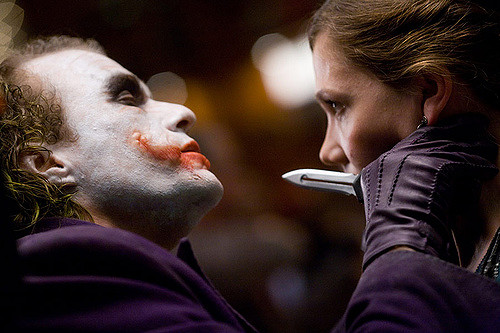
Many people who go to see superhero movies know a bit about the hero beforehand, making Batman a good protagonist who already resonates with the audience. The conflict is exciting and we know the stakes: Batman must defeat the Joker, or Gotham will fall into anarchy. The movie is well paced, with built up fight scenes and interesting dialogue. It makes the audience reflect on themselves, with an important message: Is it as important to appear good as it is to actually be good?
movies know a bit about the hero beforehand, making Batman a good protagonist who already resonates with the audience. The conflict is exciting and we know the stakes: Batman must defeat the Joker, or Gotham will fall into anarchy. The movie is well paced, with built up fight scenes and interesting dialogue. It makes the audience reflect on themselves, with an important message: Is it as important to appear good as it is to actually be good?
Another movie I’m a fan of, Scott Pilgrim vs. the World (2010), lacks in plot but makes up for that in other areas, most obviously visual interest. Despite the weak conflict, we understand the stakes: Scott (our odd protagonist) must defeat Ramona’s (his love interest) “seven evil exes” so he can date her. The fight scenes are interesting and we do expect them, but the movie’s plot has little to do with why I enjoy it. It plays with styles and effects in a new and unexpected way. Therefore, a movie can be good even when it lacks certain elements of a so-called “perfect” movie.
2. Use of Soundtrack
Although we often think of soundtrack as crucial to musical movies, it is equally important in regular movies to establish settings and enhance our emotional reactions. A sad scene with a sad song is better than a sad scene unaccompanied.
A traditional musical movie that uses its music in a particularly effective way is Coco (2017). Music is integral to the plot – Miguel wants to be a musician against his family’s wishes. He uses music to move the plot forward, trying to make his way back home by getting the blessing of his presumed ancestor and famous musician, Ernesto de la Cruz. In addition, there are several scores used simply to emphasize emotion. When Miguel is confused and terrified after entering the spirit world, the music reflects that. In this movie, music both furthers the plot and the audience’s emotional responses.
Shrek the Third (2007), which is not a traditional musical but does use music, is a good example of an ineffective soundtrack in a movie. Although the first two Shrek movies use music to set scenes and the tone of the movie very well, but the third does not.
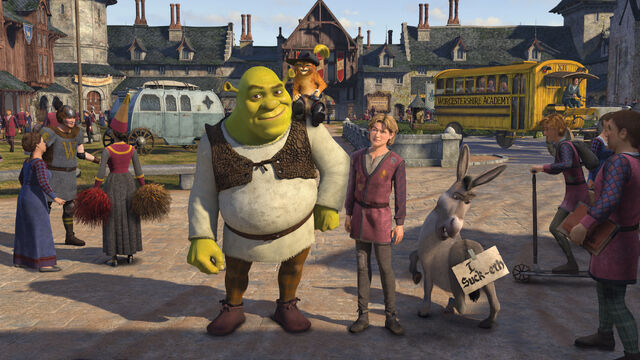
For example, in King Harold’s funeral at the beginning of the movie, “Live and Let Die” is sung by a chorus of frogs. It makes the scene almost comical where it should be sad. It makes the audience feel emotionally conflicted about the scene rather than enhancing their reactions.
3. Visual Interest
Sometimes a movie’s costumes, lighting, stylistic choices, and lighting are important to our experience too. Marie Antoinette (2006) is not one of the best movies I’ve seen. It drags on and I don’t find the plot or even the soundtrack very compelling. The way the movie looks, though, I love. The sets, costumes, and food demonstrate the riches of Versailles with ease that the dialogue and interaction between characters do not.
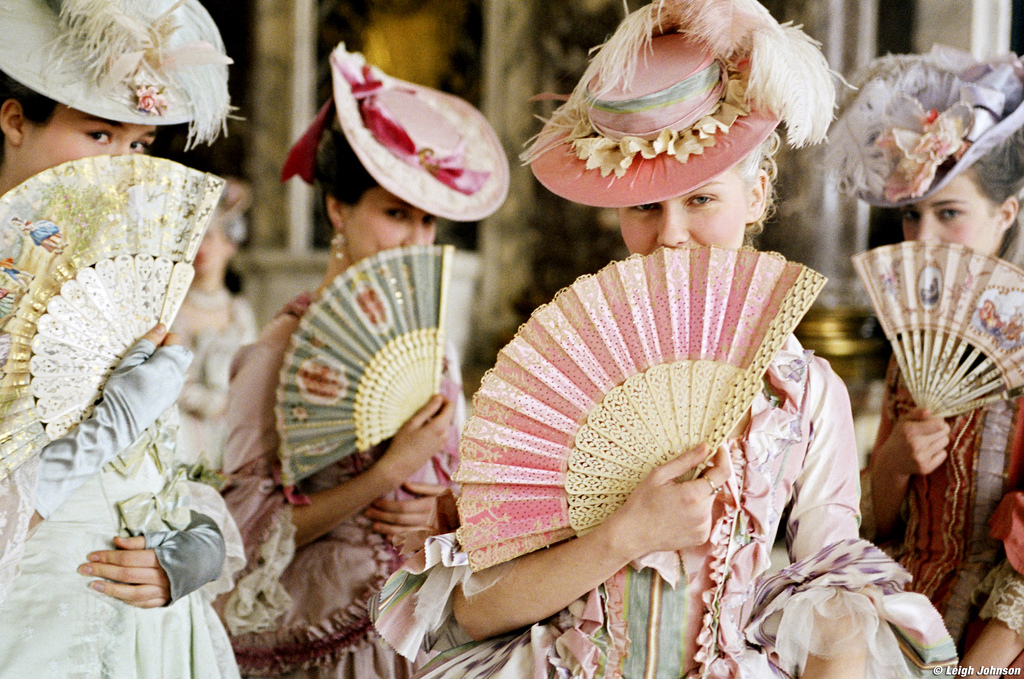
It’s gorgeous, and although I don’t care for it as an overall movie, I’ve watched it several times for this reason.
On the other hand, Silver Linings Playbook (2012) is made interesting by its plot and actor’s performances rather than costumes or setting. Most romantic comedies seem to rely less on visual interest and world building than other movies. Visual interest can be more important than plot, but usually to audiences that value it. It is not important to every audience, and lacking it will not make a great movie bad, but it can make an otherwise bad movie good.
4. World Building
Many great movies, often sci-fi and fantasy, create an alternate world that we can enter through the protagonist. A well built universe can make us forget a weak plot or a weird soundtrack.
A great example of world building (overlooking obvious examples like the Star Wars series or the Matrix trilogy) is Coraline (2009). Coraline creates a wonderful alternate universe for our protagonist, who leads a drab day to day life. When Coraline enters the world of the “other mother” the colors brighten and she is surrounded by improved versions of her reality. We later learn the terrifying truth of the other mother’s world through the cat. Coraline builds a world and then turns it on us in an unexpected way.
Heathers (1988) is one of my favorite movies, but there is very little world building involved. We are dropped directly into Veronica’s life as a junior in high school. Most of us know how it feels to be in that position, so it doesn’t take much more than a little dialogue to establish Veronica’s tenuous position in a clique and her murderous boyfriend as plot points.
 Miranda's Movie Analysis
